> About Us

Who we are

About Us

GIABA, a specialised institution of ECOWAS based in Dakar, strengthens the fight against money laundering and terrorist financing in its 17 Member States.
Why GIABA?
Who we are

Protecting the integrity of the West African financial system

The Inter-Governmental Action Group against Money Laundering in West Africa (GIABA) is a specialised institution of the Economic Community of West African States (ECOWAS). Established in 2000 and based in Dakar, Senegal, it is responsible for strengthening the capacity of its Member States to prevent and combat money laundering, terrorist financing and the financing of the proliferation of weapons of mass destruction.

As a FATF-Style Regional Body and an Associate Member of the Financial Action Task Force, GIABA ensures that international standards are implemented in its 17 Member States, in West Africa as well as in Comoros and São Tomé and Príncipe.

Our mission

Sound economies, safer societies

Our mission is to protect the national economies and financial systems of our Member States against the proceeds of crime and terrorist financing, by promoting the adoption and effective implementation of international standards to combat money laundering and terrorist financing.
Compliant frameworks

We help Member States align their legal and institutional frameworks with the FATF Recommendations.

Stronger institutions

We build the capacity of national authorities and promote regional and international cooperation.

Our mission

“A GIABA community protected against the proceeds of illicit activities and the financing of terrorist activities.”

GIABA’s mandate sets out its core responsibilities as an ECOWAS institution and a FATF-Style Regional Body. GIABA is mandated to:
International standards
GIABA ensures that each Member State adopts appropriate measures to combat money laundering and terrorist financing. These measures must comply with recognised international practices and standards, first and foremost the 40 FATF Recommendations, while taking account of the specific realities of West Africa. The aim is harmonised and concerted adoption of measures across the region, so that no country becomes a weak link.
Regional dialogue
GIABA provides Member States with a permanent framework for dialogue and the exchange of experience. Through its plenary meetings, workshops and networks of national correspondents, it enables authorities to share their good practices, difficulties and solutions. This intra-regional cooperation builds trust between countries and facilitates joint action against criminal networks that ignore borders.
Compliance assessment
GIABA organises self-assessments, which provide continuous monitoring, and mutual evaluations of its Member States using the FATF Methodology. Experts from the region examine each country’s legal and institutional framework and the actual effectiveness of its regime. The reports set out specific recommendations, whose implementation is then monitored through regular follow-up reports.
Support for national frameworks
GIABA helps Member States put in place robust and fully operational AML/CFT regimes. This support covers in particular the creation of national coordination bodies, the drafting of legislation and the establishment of financial intelligence units. It also covers the conclusion of mutual legal assistance treaties and the training of the stakeholders concerned: judges and prosecutors, investigators, supervisors and reporting entities.
History

More than 25 years of regional action

GIABA was officially established as a specialised institution of ECOWAS by the Authority of Heads of State and Government in December 2000. It brings together the fifteen ECOWAS States and two States that are not ECOWAS members: the Union of the Comoros and São Tomé and Príncipe.

December 1999

In Lomé, the ECOWAS Authority of Heads of State and Government adopts a protocol on the illicit circulation of small arms, cross-border crime, drug trafficking and money laundering, and decides to establish GIABA.

December 2000

The GIABA Statutes are approved by the Authority of Heads of State and Government, paving the way for its operation.

July 2001

The Government of Senegal offers to host GIABA: a first office is opened in Dakar.

2004

A fully functional Secretariat is set up.

2005

Appointment of an Administrative Secretary and a Deputy to head the institution; these positions later became those of Director General and Deputy Director General.

12 January 2006

Revision of the Statutes to incorporate the mandate provided for by the FATF Standards.

March 2006

Signature of the headquarters agreement between ECOWAS and the Government of Senegal, granting diplomatic immunity to GIABA and its professional staff.

June 2006

Consolidation of GIABA’s missions and recognition as a FATF-Style Regional Body, giving it the legitimacy to carry out its activities with Member States.

June 2010

GIABA becomes an Associate Member of the Financial Action Task Force (FATF).
GIABA
25+
Years of regional commitment
Our governance

An institution serving its Member States

GIABA operates through four main organs: an Ad Hoc Ministerial Committee, made up of the three ministers responsible for Finance, Justice and the Interior or Security in each Member State; the Secretariat, based in Dakar (Senegal); the Technical Commission, made up of experts from the same ministries; and a network of National Correspondents. The functions of each organ are set out in the GIABA Statutes.

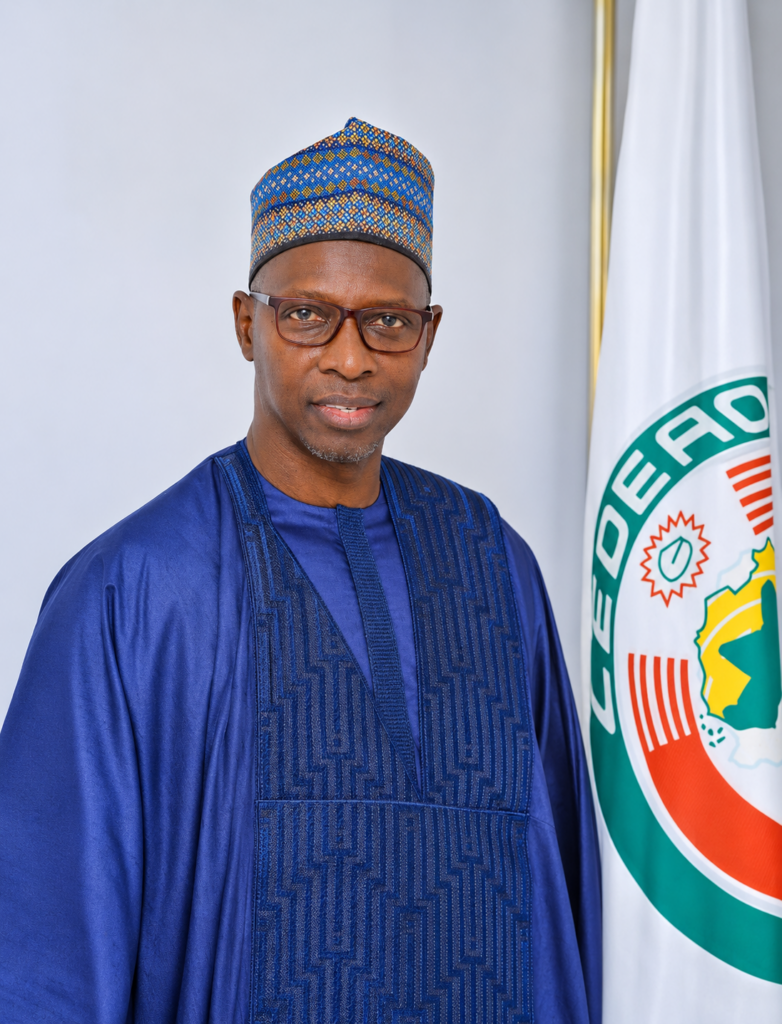
Mr Mam Cherno JALLOW

Director General

Appointed on 19 July 2026 by the ECOWAS Authority of Heads of State and Government for a four-year term. In office since 1 September 2026.

Mr Mam Cherno JALLOW was appointed Director General of GIABA by the ECOWAS Authority of Heads of State and Government at its 69th Ordinary Session, held on 19 July 2026 in Lungi (Sierra Leone).

Born on 10 July 1966 in Banjul (The Gambia), he is a financial economist by training. He holds an MBA in Banking and Finance from the African Centre for Advanced Studies in Management (CESAG) in Dakar, with a specialisation in financial markets and corporate finance, and a bachelor’s degree in Economics from the International Islamic University in Kuala Lumpur (Malaysia).

An expert in anti-money laundering, he has more than thirty-five years of experience in the public and private sectors of his country and in sub-regional institutions, including sixteen years within the ECOWAS ecosystem. Before his appointment, he was Acting Director of Administration and Finance of GIABA (since January 2024), having previously led the institution’s strategic planning and resource mobilisation (2022-2023). He previously served as Head of Strategic Planning, Monitoring and Evaluation in the Office of the Vice-President of the ECOWAS Commission (2019-2021), Head of Cooperation with Emerging and Developed Markets at the ECOWAS Commission (2015-2019) and Director General of the Federation of West African Chambers of Commerce and Industry (FEWACCI, 2010-2015).

Fully bilingual in English and French, he was made a Member of the Order of the Republic of The Gambia (MRG) in 2010, in recognition of his contribution to the economic development of his country.

Our Member States

A network of committed observers

GIABA grants observer status to African and non-African States and to intergovernmental organisations that support its objectives and actions and apply for it. Those eligible include:
Central banks of Member States
Regional securities commissions
West African Economic and Monetary Union (WAEMU)
West African Development Bank (BOAD)
Regional Council for Public Savings and Financial Markets (CREPMF)
African Development Bank (AfDB)
United Nations / UNCTED
United Nations Office on Drugs and Crime (UNODC)
World Bank
International Monetary Fund (IMF)
Interpol
World Customs Organization (WCO)
Commonwealth Secretariat
European Union
Egmont Group
Our Member States

17 countries united against financial crime

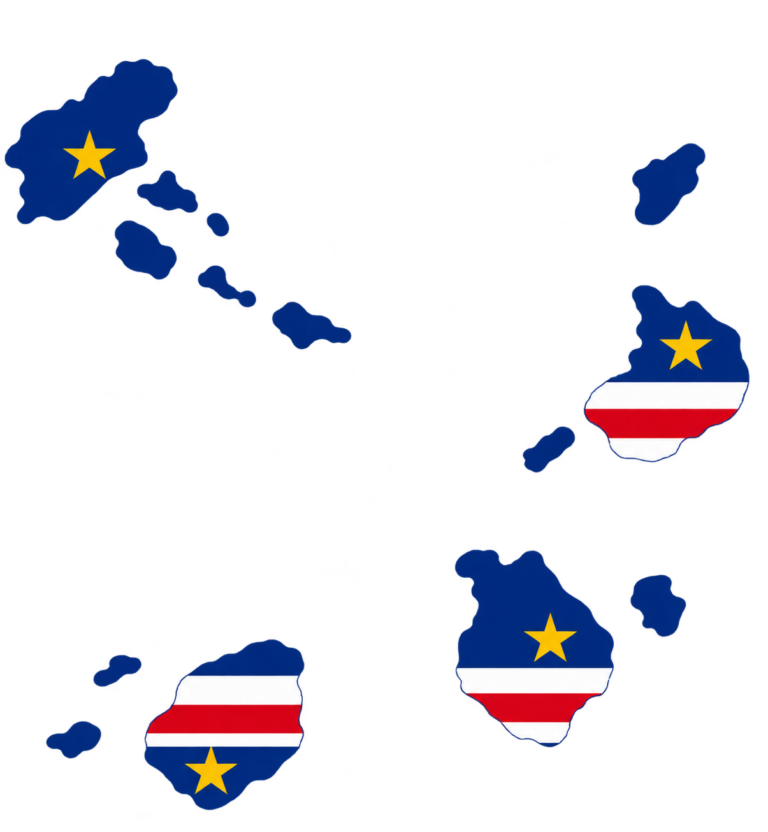
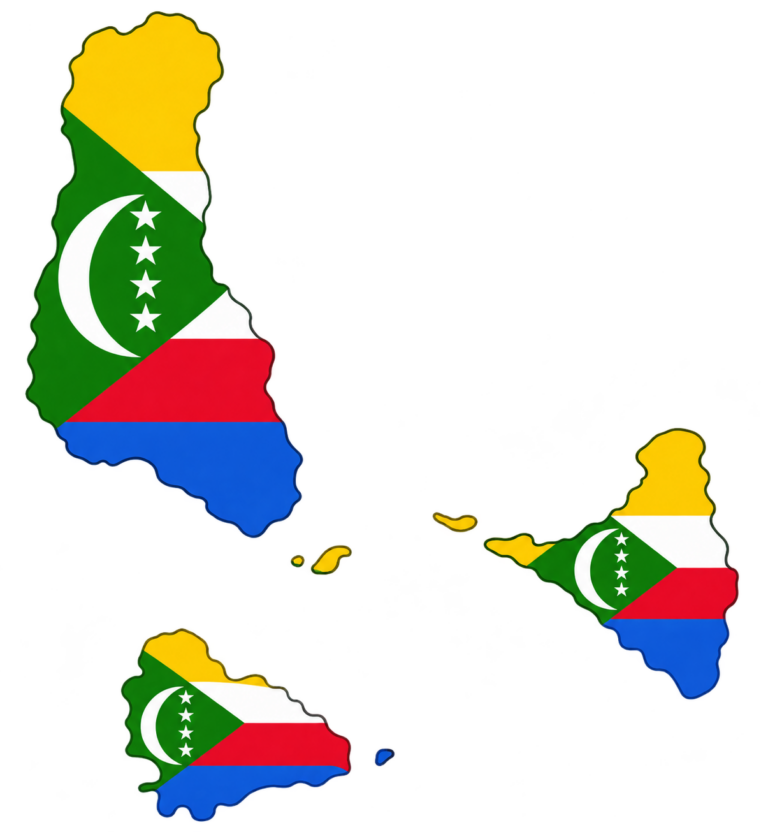
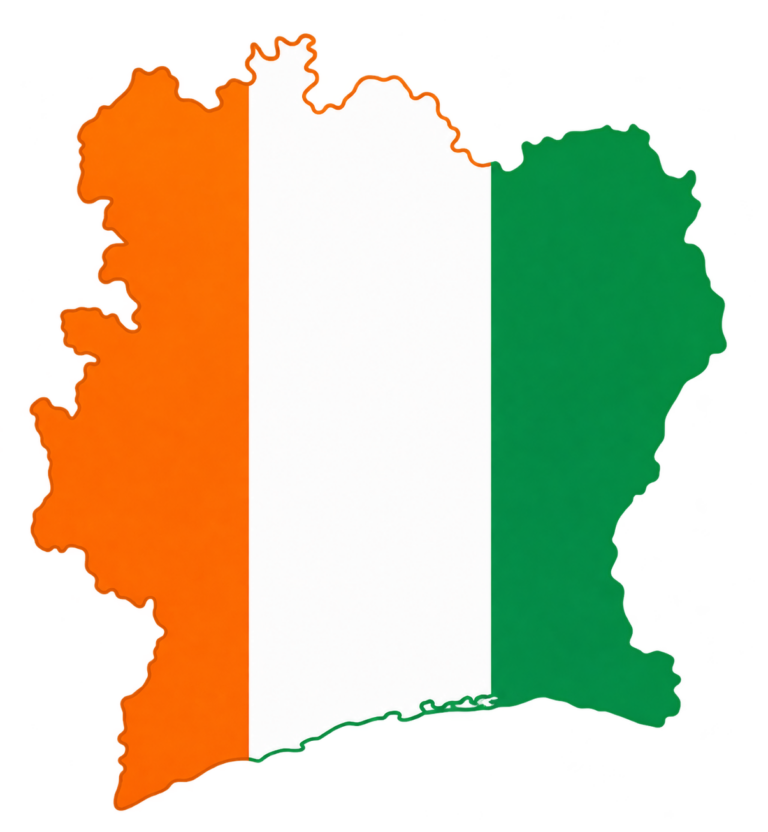
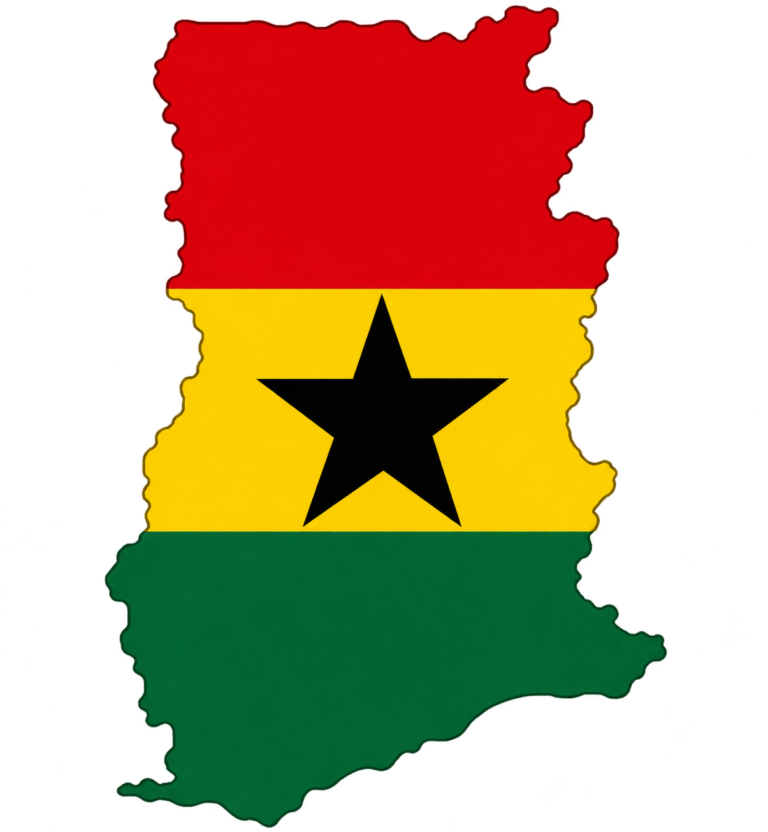
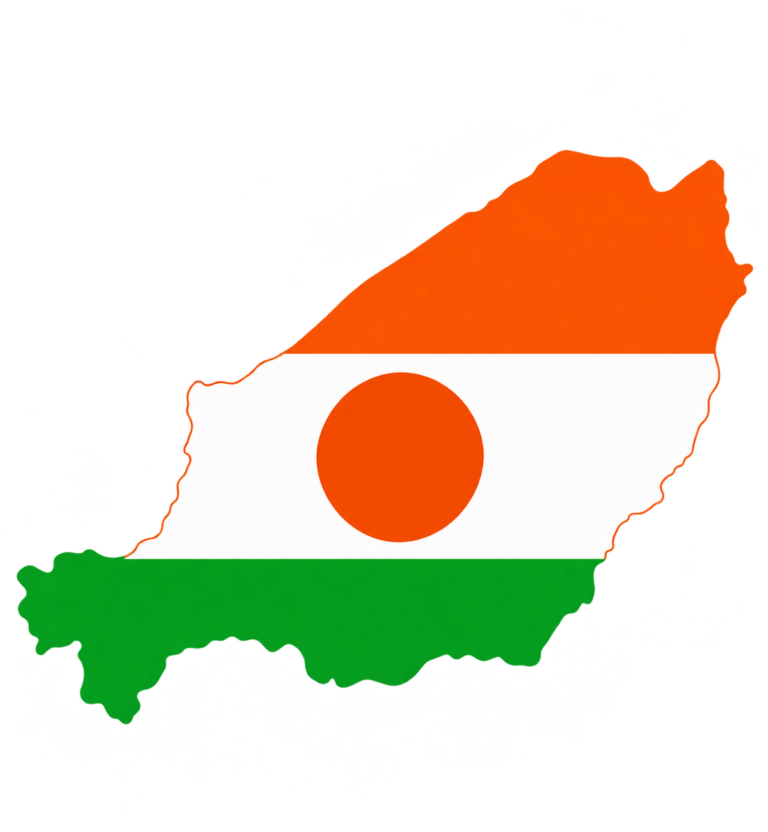
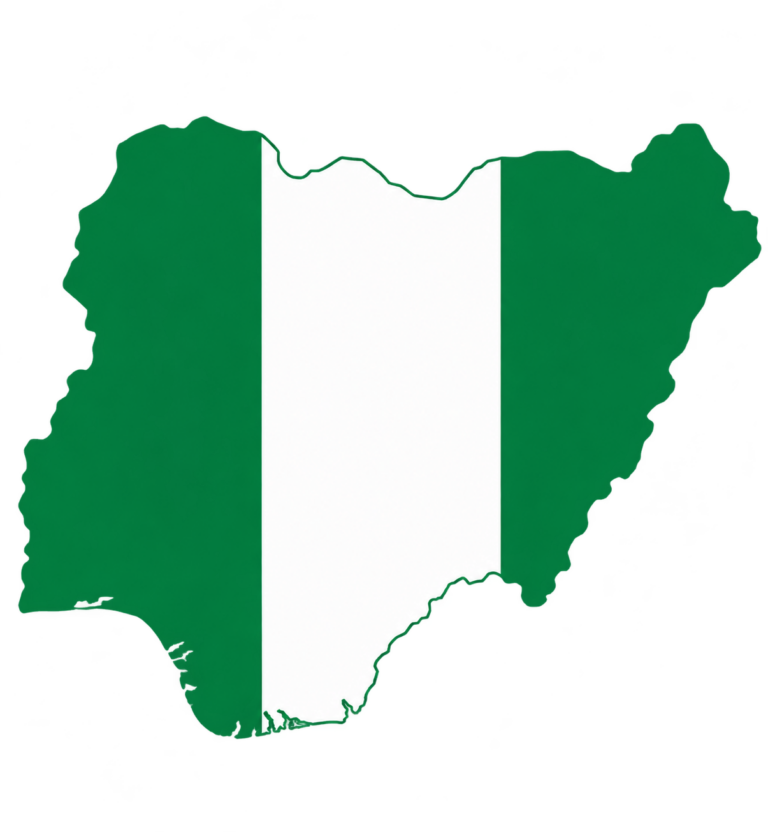
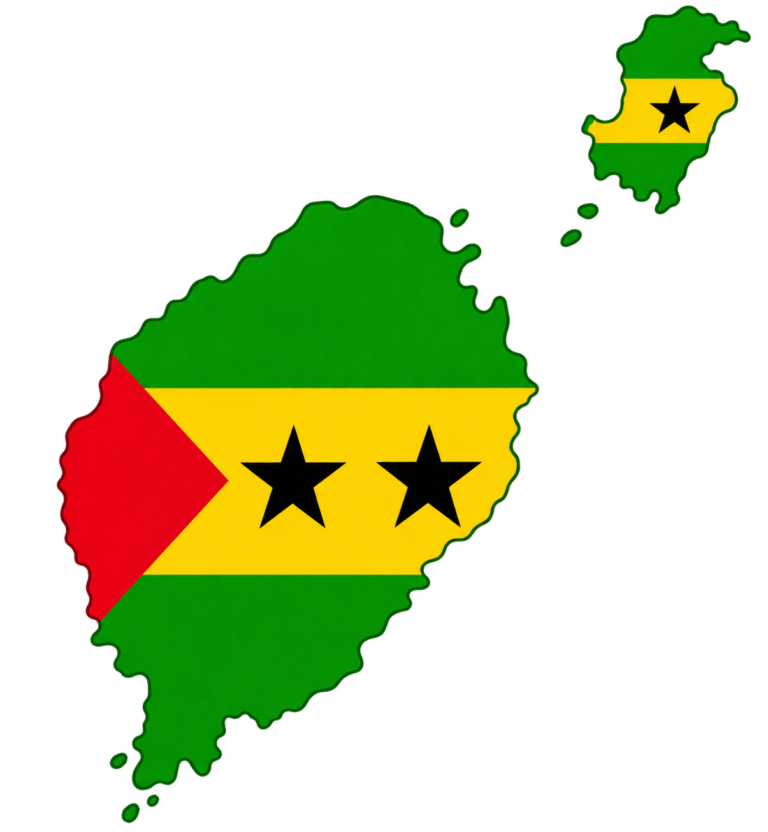
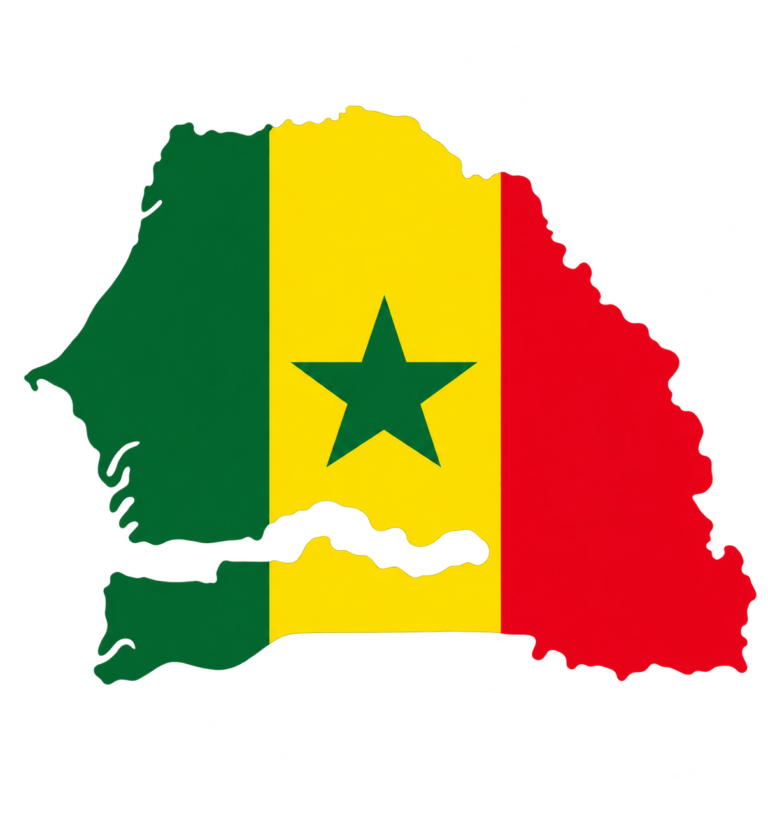
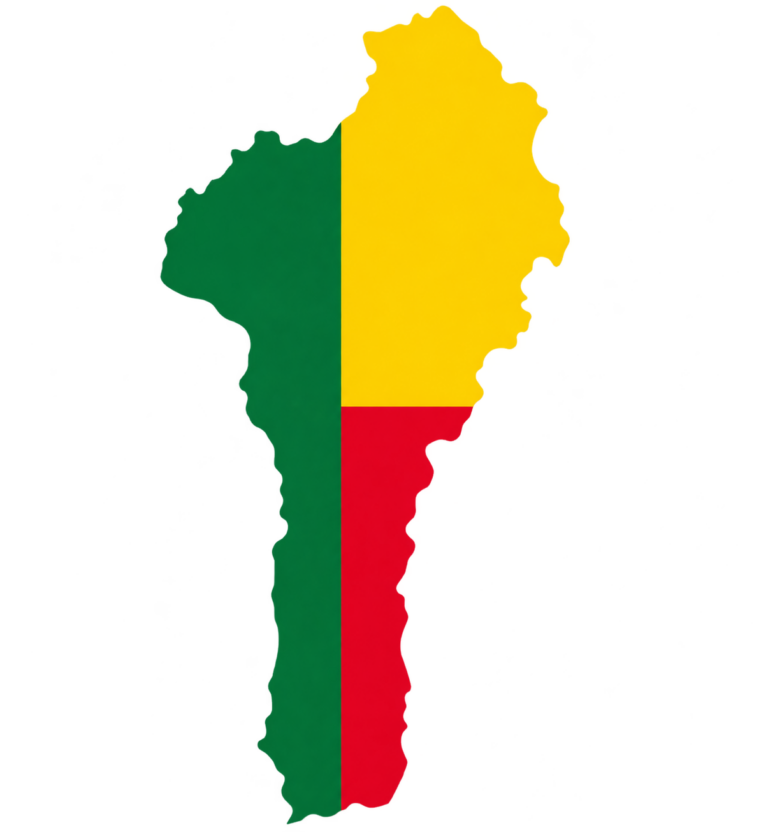
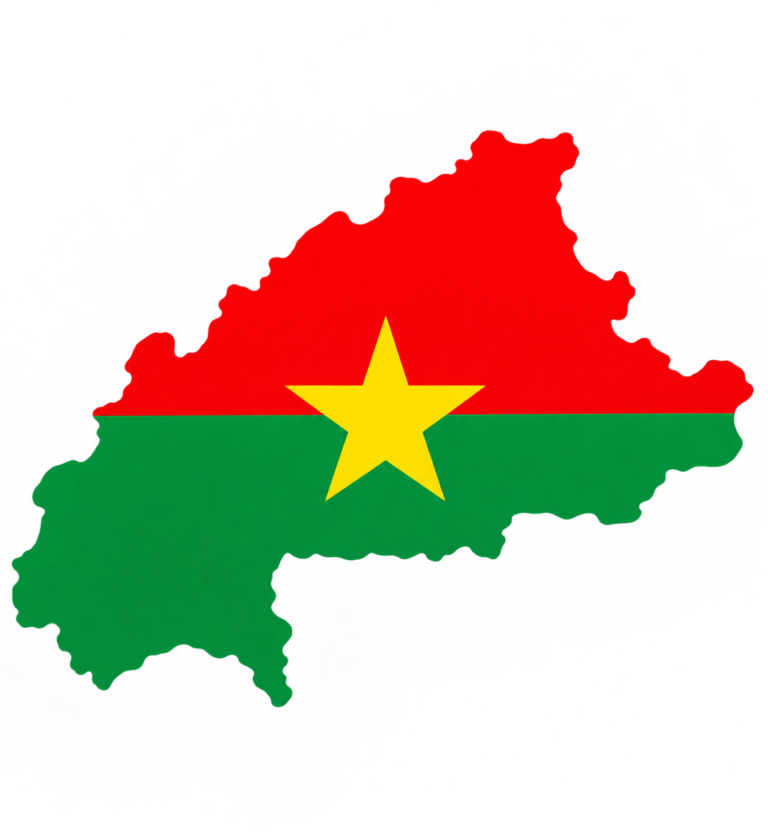
Benin, Burkina Faso, Cabo Verde, Comoros, Côte d’Ivoire, The Gambia, Ghana, Guinea, Guinea-Bissau, Liberia, Mali, Niger, Nigeria, São Tomé and Príncipe, Senegal, Sierra Leone and Togo share a common commitment to transparent and secure financial systems.
“Together for a West Africa free from financial crime”

Stay informed.

Subscribe to GIABA news.

You can unsubscribe at any time using the link in our emails. See our privacy policy.