Political situation
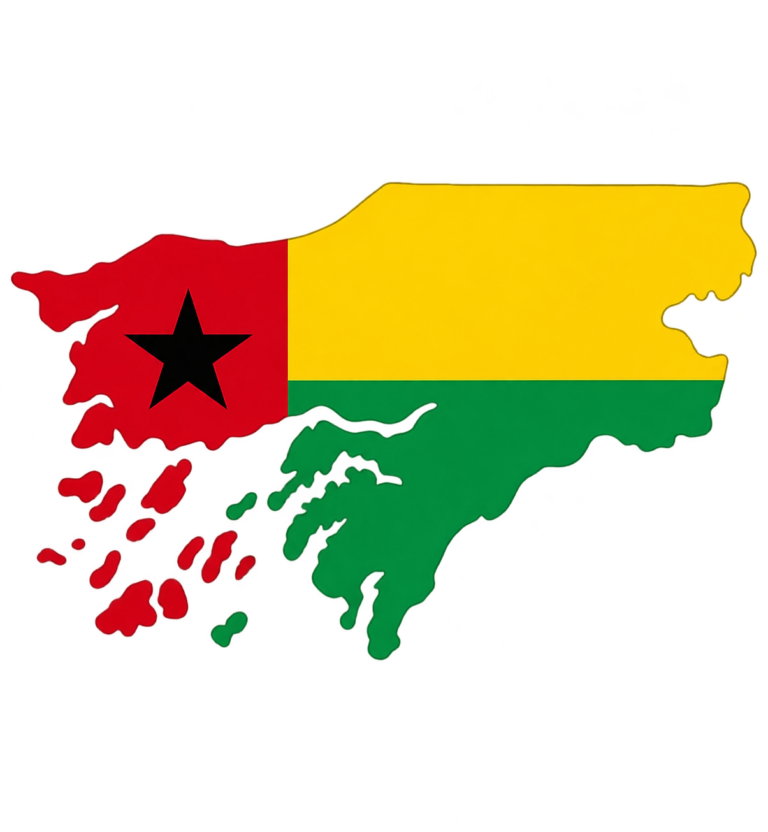
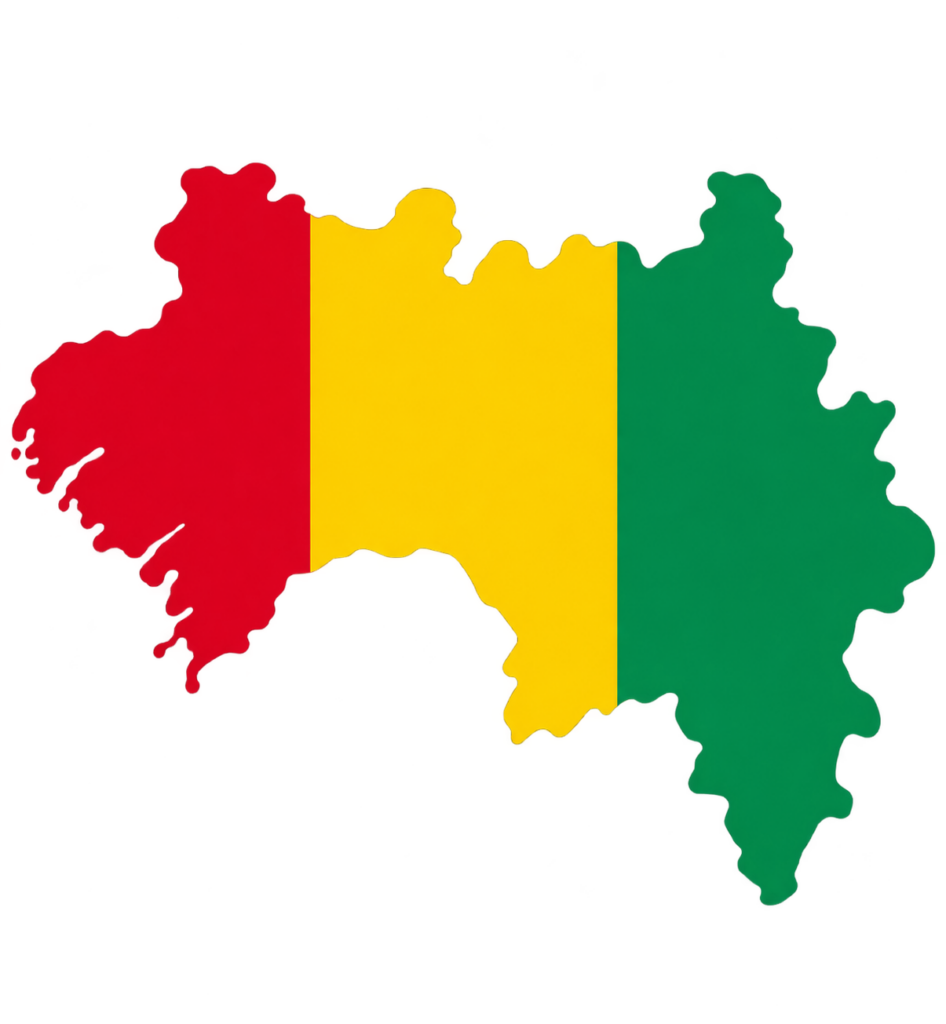
The Republic of Guinea is still pursuing its difficult path towards democracy. The country faced a tense socio-political climate, caused in part by disagreements over the electoral roll following the postponement of the planned legislative elections. Clashes between supporters of opposition parties and the Guinean police further heightened political tensions in the country.
Political and institutional instability in recent years has aggravated Guinea’s governance challenges, not least because the authority of the State has been weakened. According to the World Bank’s Doing Business 2012 report, Guinea ranks 179th (out of 183) for ease of doing business.
Economic and financial situation
The Guinean economy was expected to grow by 5.1% in 2012, compared with 4% in 2011. Contributions to this growth include 3.9% growth in the primary sector, including 4.5% and 4.1% in the fisheries and agriculture sub-sectors respectively. The expansion of irrigated land and increased inputs were also expected to raise food production growth to 11% in the 2011-2012 season, compared with 10% in the 2010-2011 season. However, gold and diamond production was expected to fall by 36.5% and 24.3% respectively.
Despite the expected growth, political instability has had a negative impact on an underdeveloped private sector already weakened by the loss of foreign investment and business opportunities. More importantly, the poverty rate was 55.2% in 2012, with 64.7% of Guineans in rural areas and 35.4% in urban areas living in poverty. It is therefore unlikely that Guinea will be able to halve its poverty rate by the 2015 deadline. External foreign exchange reserves stand at USD 677 million, covering three (3) months of imports.
Guinea’s financial sector comprises 12 deposit money banks, which account for more than 90% of the financial sector, with assets equal to 9.7% of GDP in 2006. Remittance inflows in 2012 amounted to USD 78 million, or about 1.5% of GDP.
Prevalence of predicate offences
With high unemployment and poverty, Guinea has remained vulnerable to a range of predicate criminal activities. The country has continued to be a transit and repackaging point for narcotics from Latin America bound for Europe and other destinations. Corruption is also widespread. In May 2012, an attempt to embezzle 13 billion Guinean francs of public funds led to the arrest and imprisonment of nine (9) officials from the Treasury Department, the Central Bank and the Ministry of Economy and Finance. This attempted embezzlement also led to the death of the Director of the Treasury, who was murdered for exposing the crime. On corruption, Guinea scored 24 out of 100 and ranked 154th out of 174 countries in Transparency International’s Corruption Perceptions Index.
AML/CFT situation
Guinea was evaluated in June 2012. The Mutual Evaluation Report (MER) was discussed and adopted at the 18th GIABA Plenary held in Dakar, Senegal, from 20 to 22 November 2012.
Despite sustained efforts by GIABA, including a high-level advocacy visit by the Director General from 27 to 29 March 2012 to engage the Guinean authorities on developing the country’s AML/CFT framework, enormous challenges remain. Guinea’s AML/CFT framework remains extremely weak and incomplete, not least because the country has yet to establish an operational and effective CENTIF, as provided for by Article 19 of AML/CFT Law No. L/2006/010/AN. Guinea needs to promulgate the CFT law, appoint a National Correspondent to GIABA and strengthen cooperation and collaboration between the relevant institutions so that its inter-ministerial committee can function effectively.
The Technical Monitoring Committee, an informal body responsible for coordinating AML/CFT activities, lacks the financial and logistical resources it needs to carry out its mission.
The absence of a CENTIF and of a national AML/CFT strategy, and the lack of robust legal and institutional frameworks, undermine AML/CFT efforts in Guinea. In addition, reported cases of predicate offences show that Guinea is a high-risk country for ML and TF. This is borne out by the fact that banks, financial institutions and other reporting entities do not file STRs. Nor are there any records of prosecutions resulting in convictions for any predicate offence. Despite all of GIABA’s assistance and constructive engagement with the Guinean authorities, the country remains, together with Liberia, one of the two weak links in the fight against ML/TF in the region.
Technical assistance
With regard to technical assistance, GIABA helped Guinea organise a pre-evaluation workshop for stakeholders in the country from 5 to 7 March 2012, in preparation for the mutual evaluation exercise. Some sixty (60) people took part. The aim was to familiarise them with the tools used in the evaluation process, the evaluation methodology itself and the processes and procedures of GIABA’s mutual evaluation exercise.
Despite this, Guinea still needs further assistance to, among other things, develop its national AML/CFT strategy, strengthen its technical committee so that it can coordinate training and awareness programmes, and organise training on financial crime for its judicial staff. Although GIABA offered to provide technical and financial support to Guinea to help it strengthen its AML/CFT strategy, it is clear that the Guinean authorities chose to complete the mutual evaluation before working on the strategy.
Conclusion
The Republic of Guinea should take steps to strengthen its AML/CFT system. In particular, it must focus on establishing the CENTIF, adopting and promulgating the TF law and developing a national AML/CFT strategy, which will be an urgent priority in the future.
GIABA reaffirms its readiness to support the country’s efforts to strengthen its framework for combating ML/TF, while believing that these efforts should be underpinned by political will and firm commitment on the part of the Guinean authorities. Overall, as the MER revealed significant deficiencies, Guinea’s key priority is to take action to remedy those deficiencies without delay.
Mutual evaluations
GIABA mutual evaluation reports on the anti-money laundering and counter-terrorist financing regime of Guinea, together with the follow-up reports that measure its progress. Documents are listed by language of publication.
Mutual evaluation reports
Follow-up reports
Other documents
No document available in French at present.
Mutual evaluation reports
Follow-up reports
Other documents
No document available in English at present.
Mutual evaluation reports
Follow-up reports
Other documents
No document available in Portuguese at present.